A Latent Garden
Cultivating Noise, Choosing Chaos
Marie-Ève Levasseur
According to several studies from 2024, global data consumption reached 173.4 zettabytes (one zettabyte = one billion gigabytes). This figure has led some to predict that the data consumed annually by 2029 will triple in size, not least of all due to advances in the field of AI. The necessary infrastructure and resulting energy consumption is causing enormous CO₂ emissions which are hardly visible for the users.
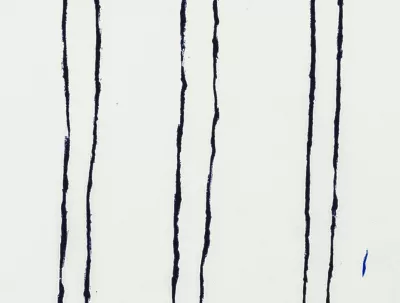
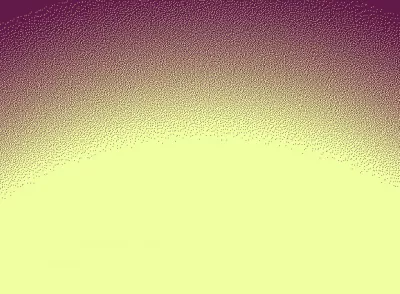
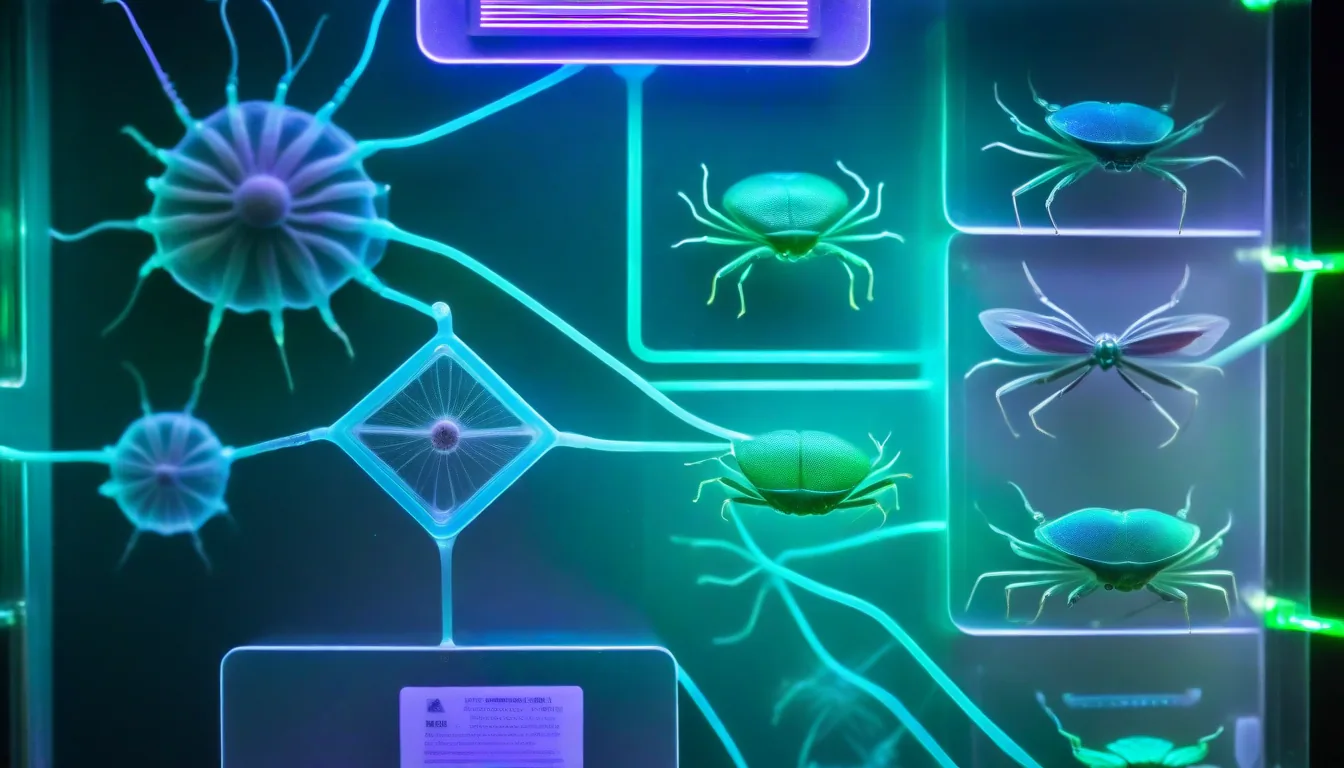
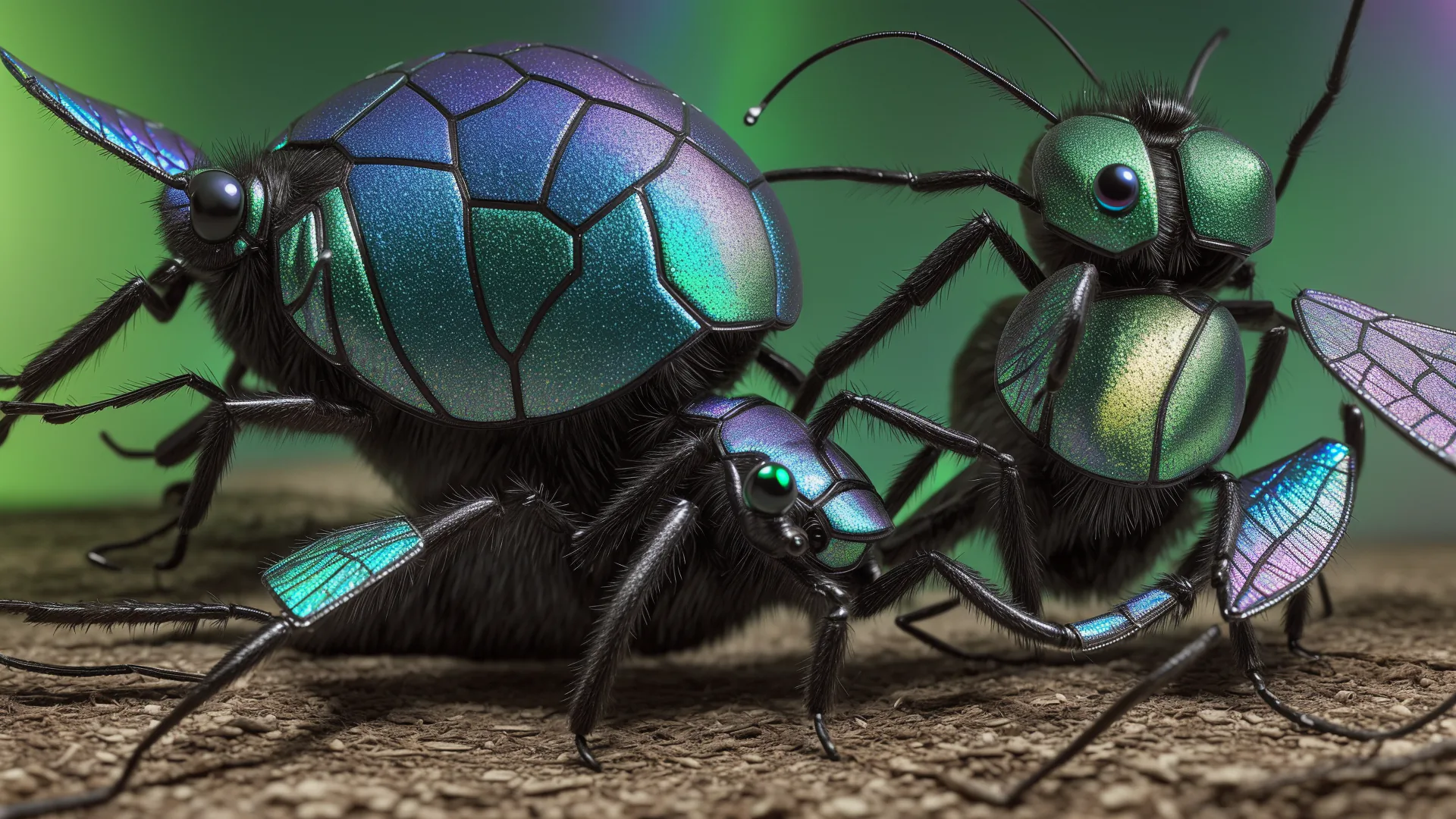
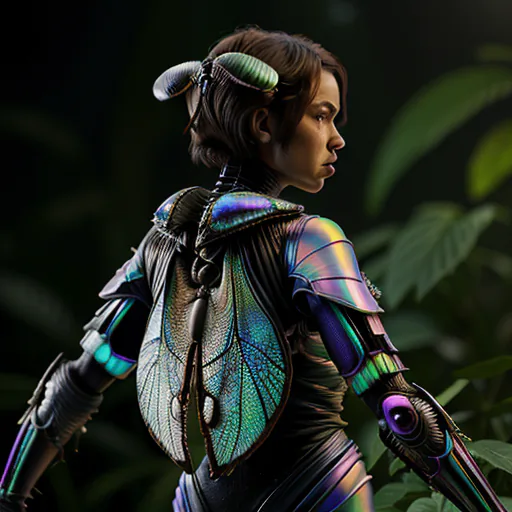
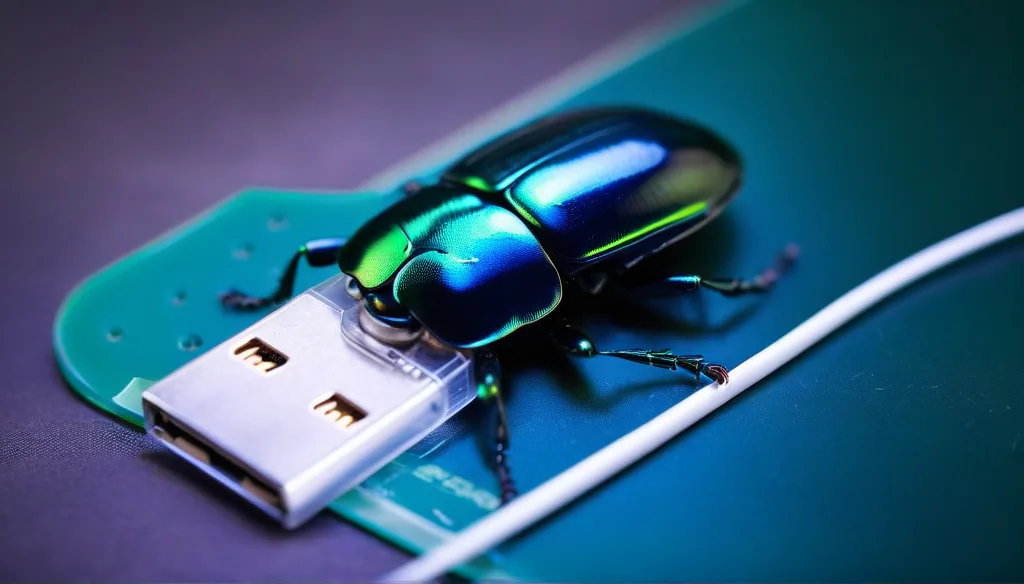
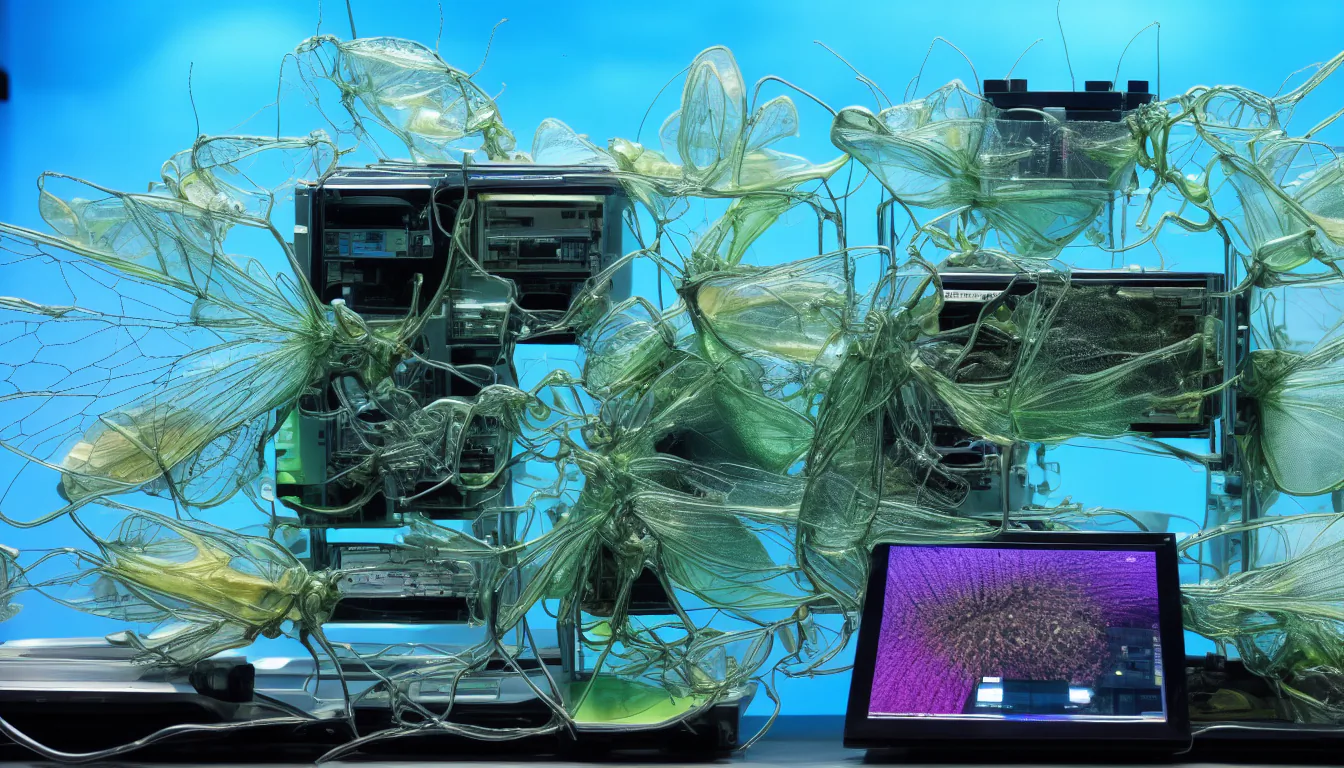
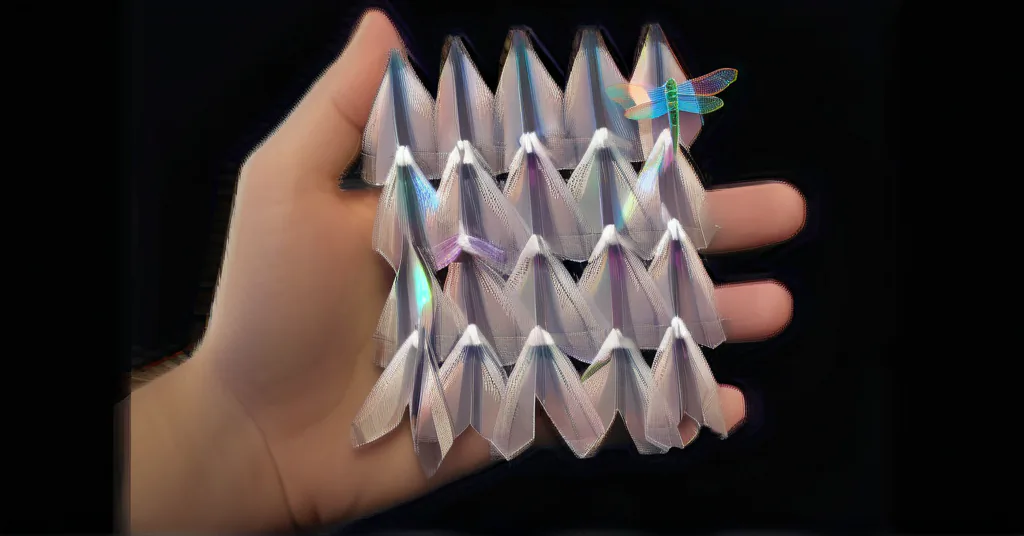
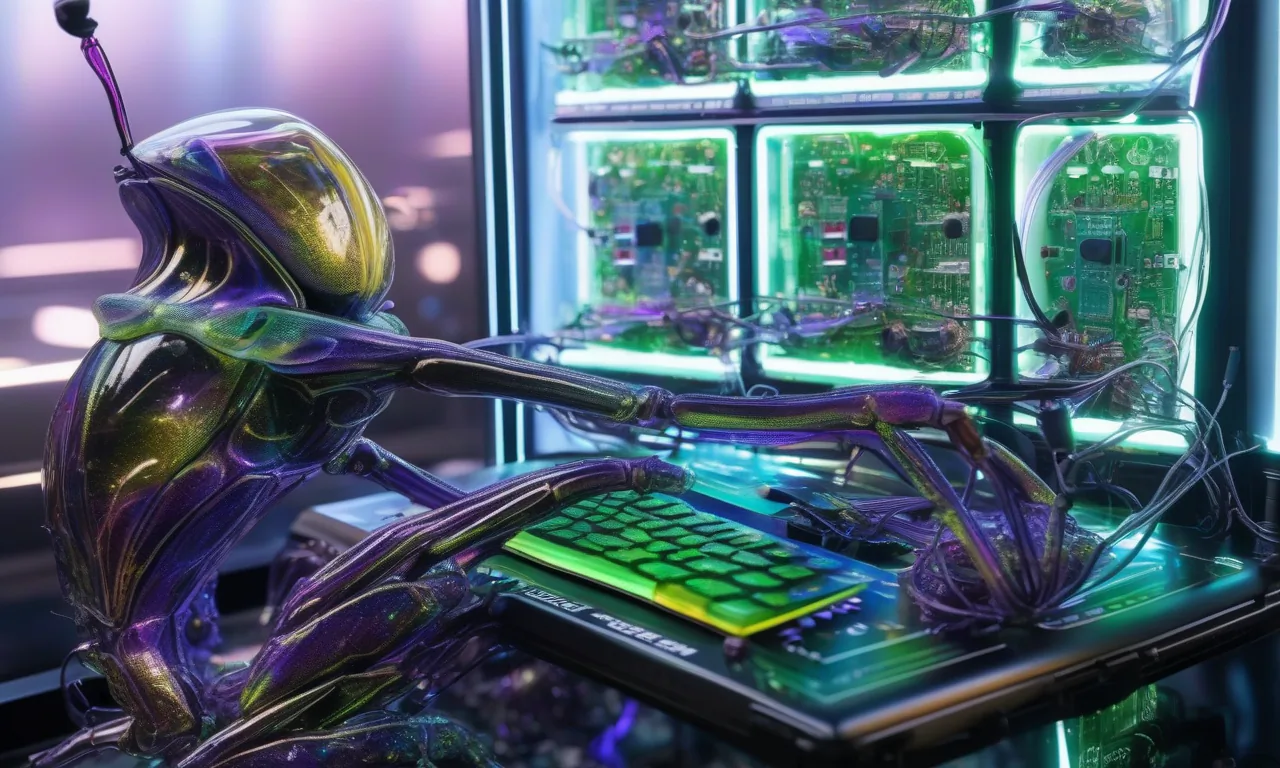
In “A Latent Garden”, Marie-Ève Levasseur critically examines the sheer endless generation and collection of data and the climate impact it causes. The piece suggests a speculative solution to this problem. Using interactive worlds of imagery and sound, Levasseur proposes a digital process of decomposition, through which data waste is turned into “techno compost”.
In nature, the bulk of accumulated waste decays and transforms into fertile material from which new life can grow. Levasseur’s futuristic vision applies this principle to the field of technology. Images and sounds from earlier artworks that are no longer needed are disassembled into visual static and noise and reassembled with the aid of an algorithm. In “A Latent Garden” the viewer can interactively experience this technological process of recycling.
Marie-Ève Levasseur’s digital artwork is presented for the first time in the third edition of fünf zu eins in response to the question “What does art know that we don’t?”
“A Latent Garden” is an artistic work that Marie-Ève Levasseur developed for use on one’s browser. You can interactively explore this digital artwork by scrolling and clicking. In the top right corner, you can turn the sound on and off and change the font of the text.
decomposing …
dying as an act of care,
making room for others to breathe, to grow.
Not a disappearance,
but a redistribution—
a becoming-with, through, into.
Seeking regeneration
is never neutral, never lonely.
Renewal is always collective.
Creation grows from what has already been touched,
consumed, altered.
A remix.
Something feral emerges,
born out of noise.
A force beyond intention,
escaping control.
A chaos that resists capture,
a beautiful, shimmering chaos.
This body, entangled in a community,
consuming, feeding, parasiting, taking, transforming,
drawing from the mineral, vegetal, animal,
from labor, affect and desire.
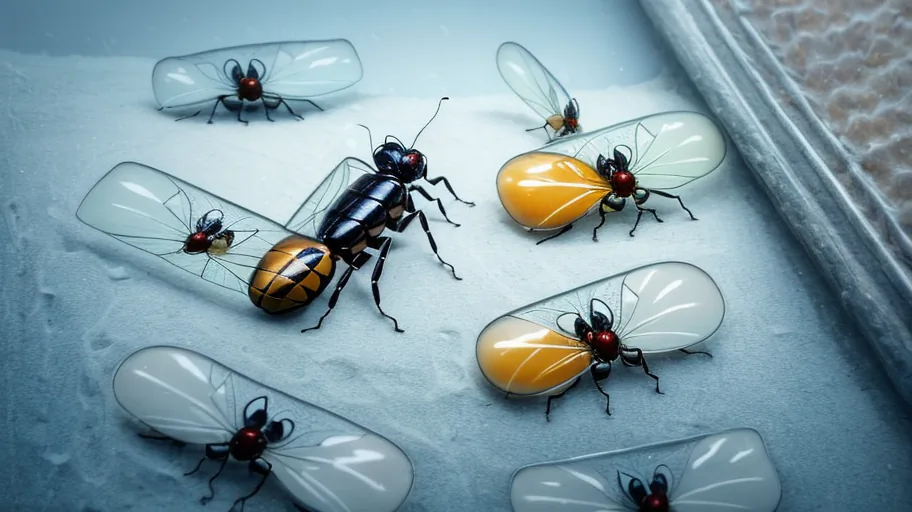
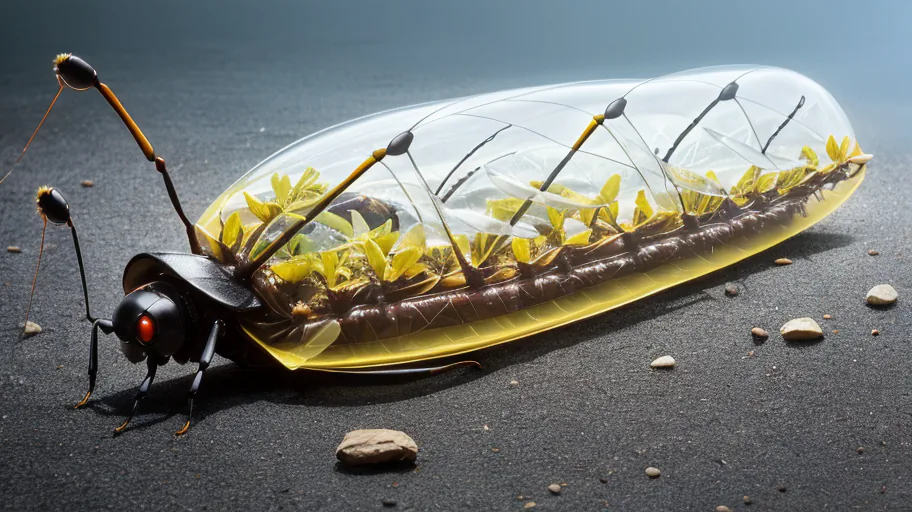
And this chanting apparatus that never starts from nothing,
recomposing and conjuring the archive of the past,
folding it again and again into possible futures.
Forever new, yet never unseen.

Unlearning the polished lines,
the clean architectures of normalization;
allowing images to be queer,
improper, noisy, disturbed—
an image that carries the rough marks of the living,
wild enough to resist the smoothness of the statistics.
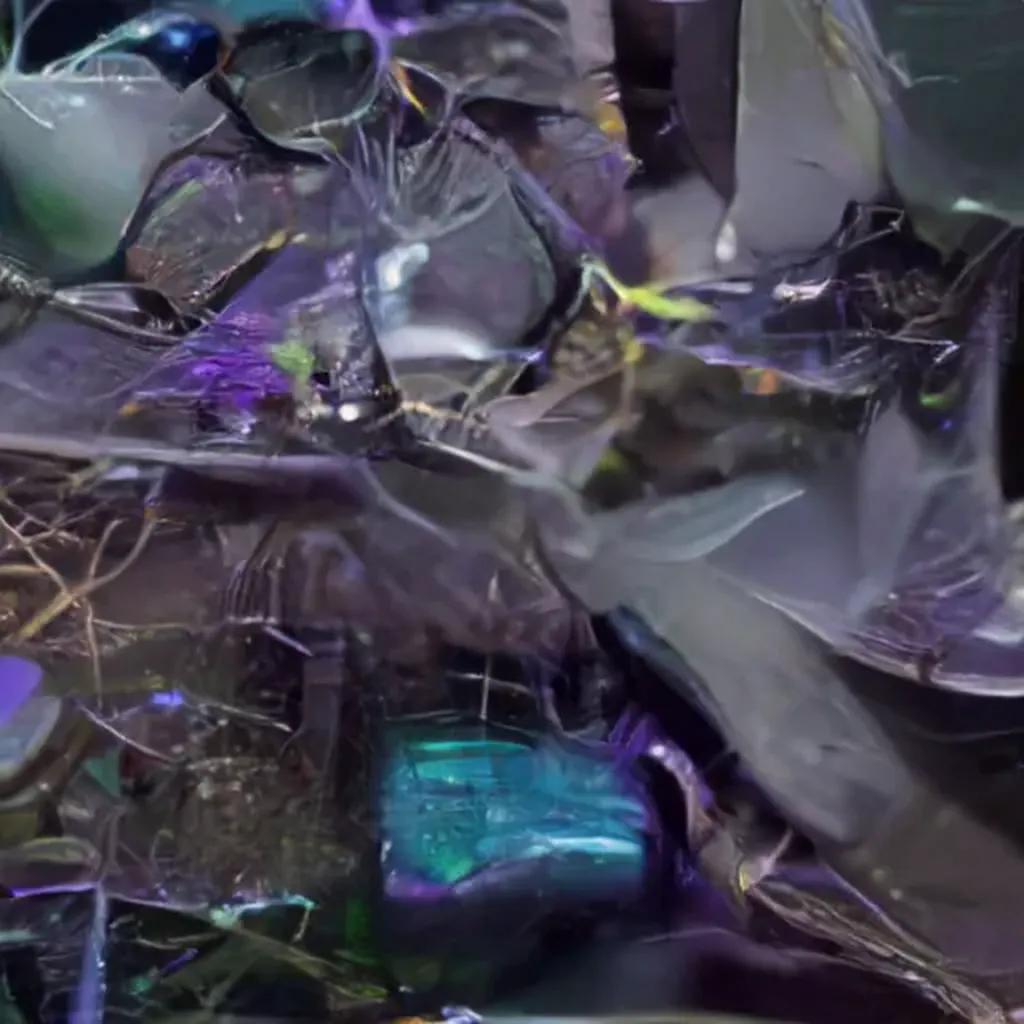
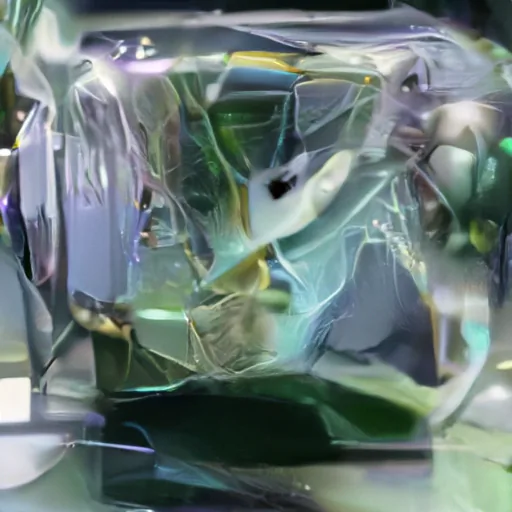
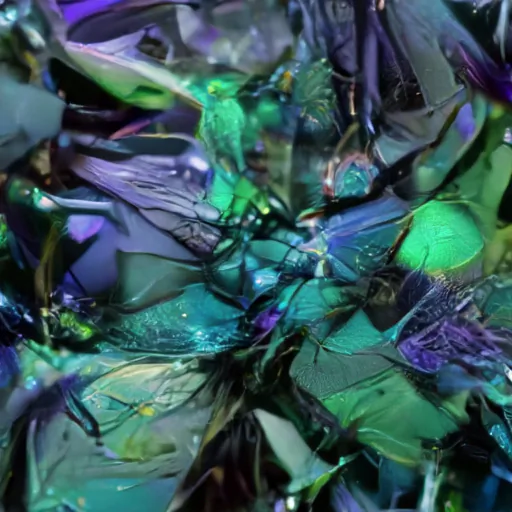
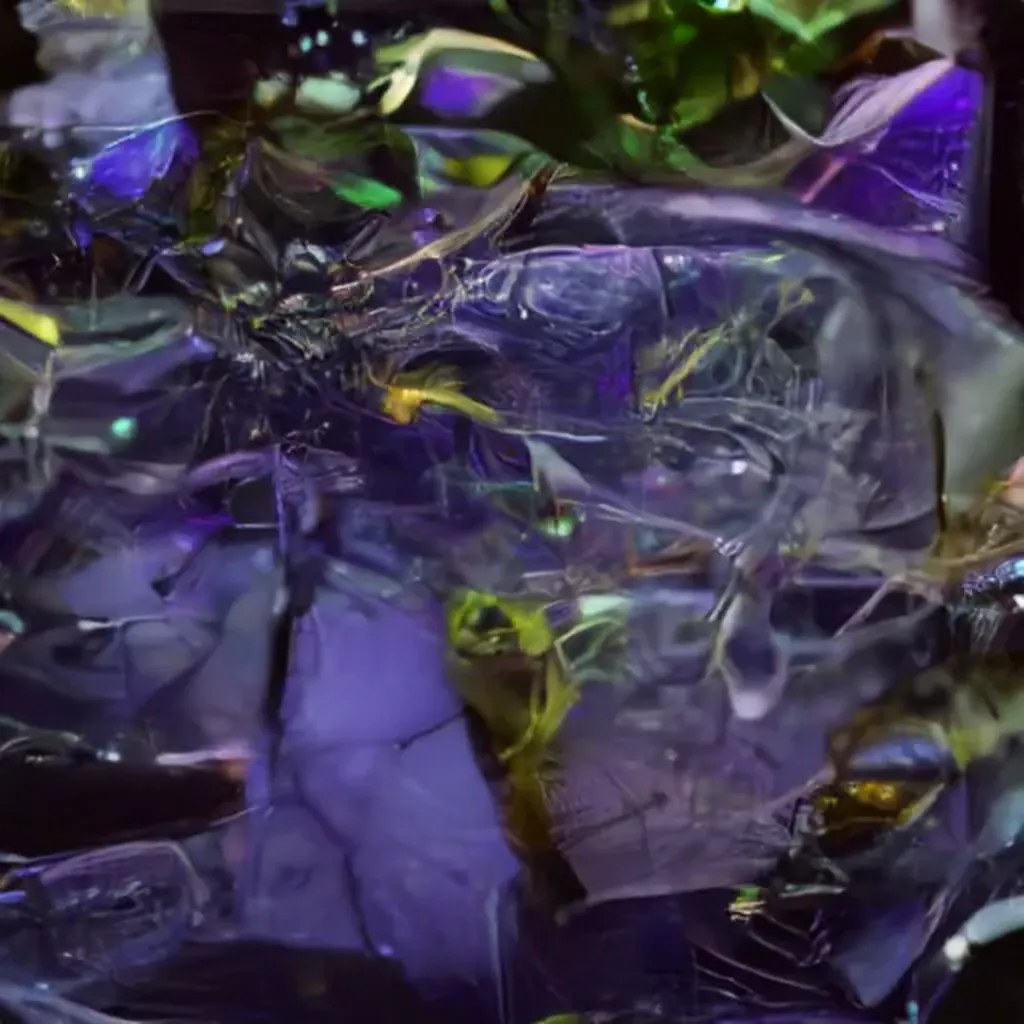
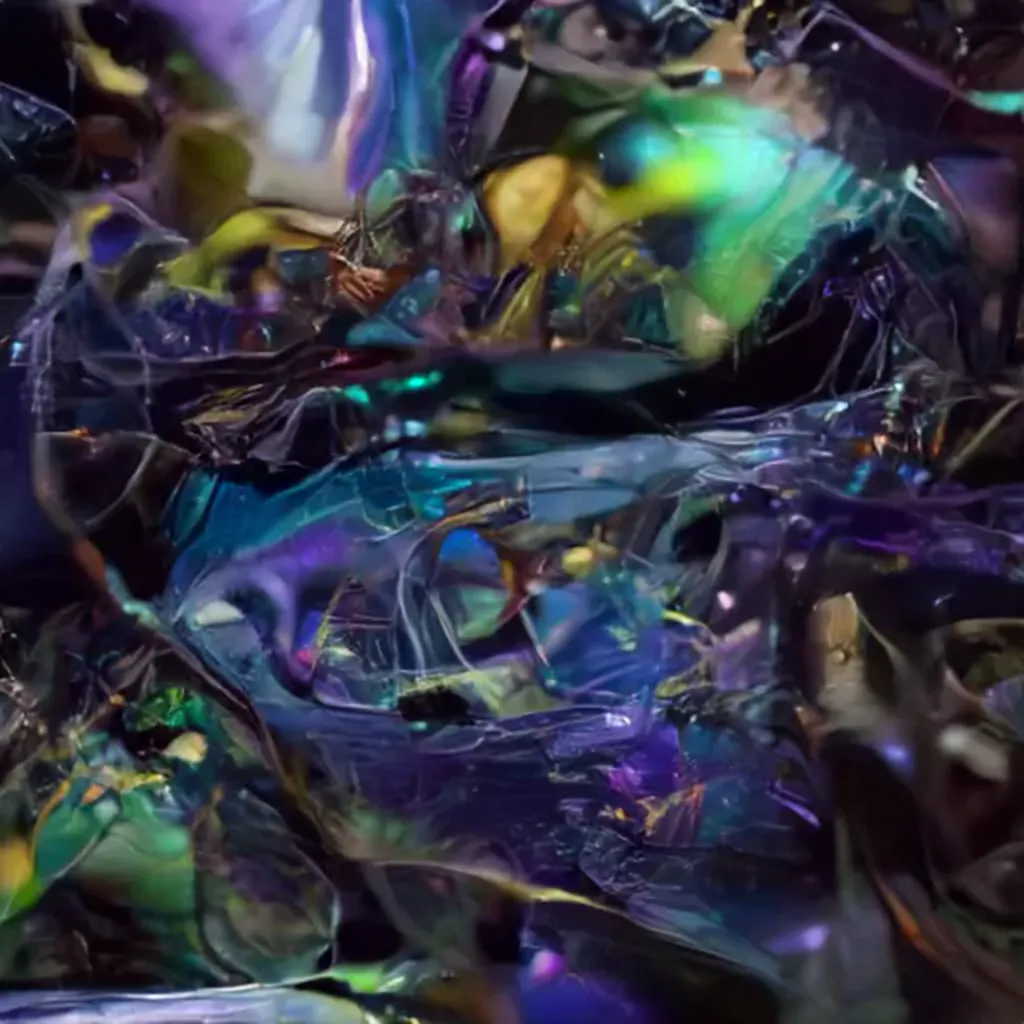
Sensing the latent space as a garden,
an ecosystem beyond words;
not ruled by language,
but by interferences,
by the result of this compost,
by noise as a fertile soil.
A seed for regeneration.
“A Latent Garden” was commissioned by the German Federal Cultural Foundation. This piece marks the continuation of Marie-Ève Levasseur’s project “Techno-Compost”. Levasseur’s previous works in the series “Techno-Compost 01 (decomposition)” and “Techno-Compost 02 (RGB noise and the latent space as a garden)” debuted as immersive VR installations in an exhibition in 2025.
Marie-Ève Levasseur would like to thank Leon Louder for composing the soundscape for the piece, as well as David Liebermann and Jana Reddemann for programming the website. They also thank Sporobole for the “Chantier IA” residence in 2024 and the Galerie of the University of Montréal (Christelle Proulx and Hugo Bérard) and IVADO for their second residence, which made the VR project possible. Their thanks also go to Renaud Gervais for their conversations and the algorithmic “decomposition” agents generated with compute shader.